Blog
Estimated reading time: 5 minutes
Table of contents
If you’ve spent any time in the field—on a frac site, drilling pad, or at a refinery—you know that spill prevention isn’t just a checklist item. It’s a critical part of keeping people safe, staying compliant, and avoiding major downtime.
At VZT Solutions, we’ve worked alongside operators, supervisors, and HSE teams who’ve seen firsthand what happens when spills go unchecked. It’s messy. It’s expensive. And it’s often preventable.
Let’s walk through some of the most common spill risks in oil and gas—and what you can do to stay ahead of them.
Common Spill Risks in the Field
No two jobsites are the same, but the risks tend to look familiar. Here are a few we see often:
- Leaking Connections: Worn gaskets, loose fittings, or over-pressurized lines can all lead to slow leaks—or sudden blowouts.
- Damaged Containment: If your liner is torn or your secondary containment walls collapse under traffic, you’ve got a problem on your hands. And you’ll often discover it too late.
- Overflow or Overfill: During frac operations or fluid transfers, tanks can overflow if flow you don’t properly monitor rates.
- Heavy Equipment Movement: Traffic from trucks and machinery can shift, tear, or compromise temporary containment—especially on uneven terrain.
- Weather Events: Heavy rain can overwhelm sump systems or wash contaminants out of poorly maintained containment zones.
These situations might be familiar—but they’re not inevitable.
A Simple Spill Prevention Checklist
Whether you’re setting up a new site or evaluating an existing one, use this quick-hit checklist to reduce your spill risk:
- Inspect Connections and Fittings Before Every Operation: Don’t assume everything’s tight just because it was tight yesterday. High-pressure systems and vibration can loosen fittings over time. Before any transfer or operation starts, take a few minutes to double-check hoses, gaskets, valves, and quick connects. Look for wear, cracks, and any signs of drips or seepage. It’s a simple habit that catches small issues before they become big messes.
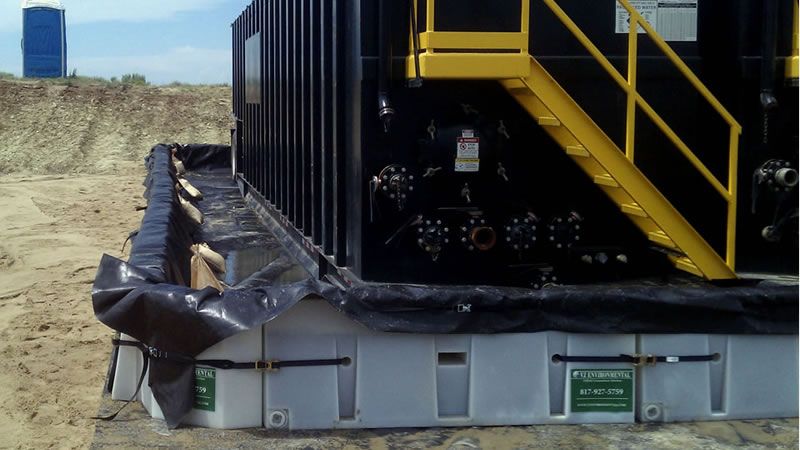
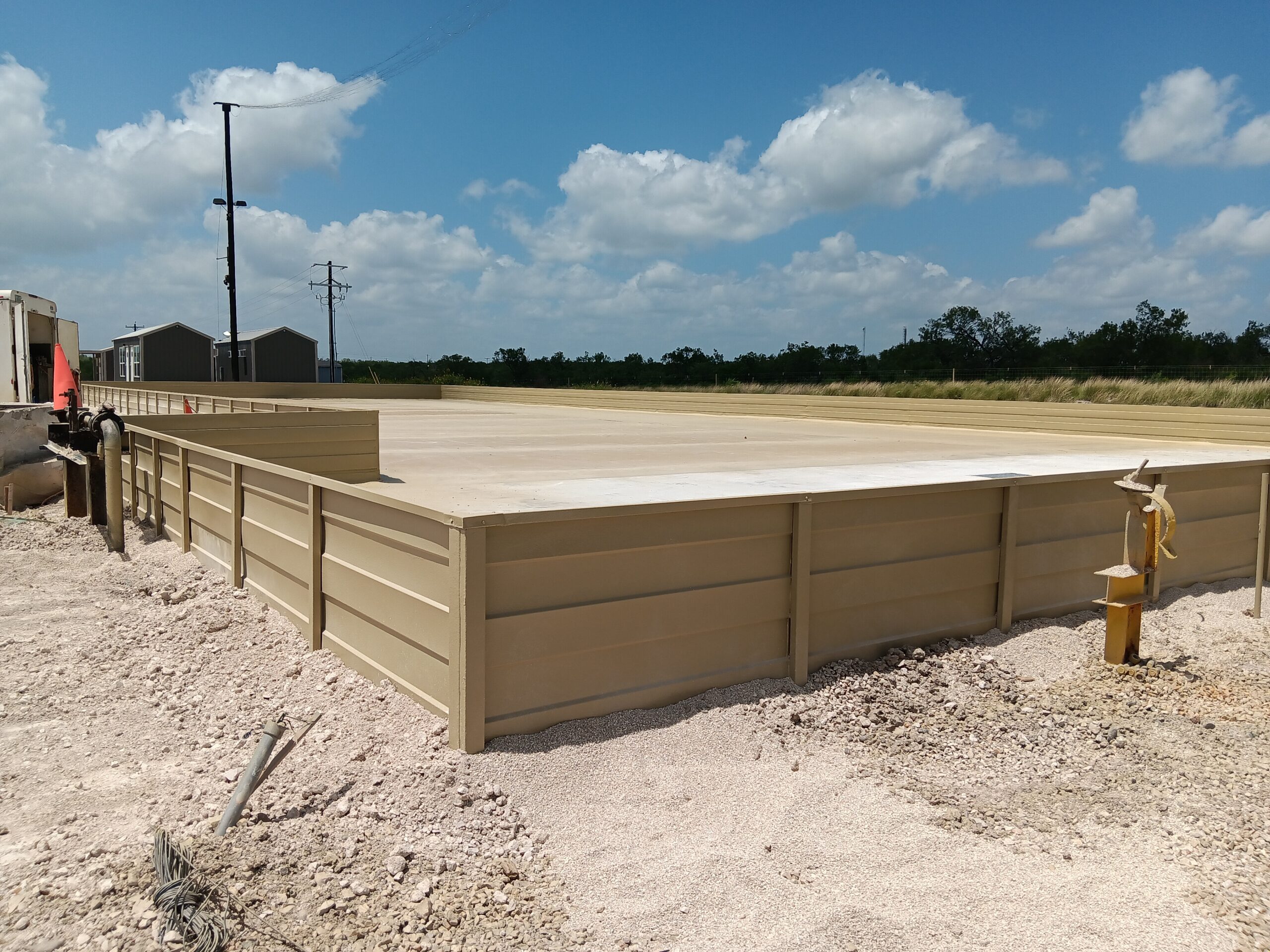
- Use Drive-Over Secondary Containment Where Heavy Traffic Is Expected: Sites with frequent equipment movement are notorious for chewing up liners and berms. If your containment system can’t handle truck traffic, you’re setting yourself up for failure. Drive-over systems like PortaShield™ are specifically built to hold their shape and strength—even with repeated passes from water trucks, frac pumps, or 18-wheelers. Less damage means less downtime and better compliance.
- Choose Liners and Berms Designed for Chemical Resistance: Not all liners are created equal. Standard plastic may not hold up against hydrocarbons, saltwater, or corrosive fluids used in the oilfield. Opt for industrial polyurea-coated systems or reinforced liners rated for your specific fluids. This helps prevent leaching, tears, and breakdowns—especially in high-heat or heavy-load conditions.
- Make Sure Rainwater Has a Controlled Drainage Path: Weather happens. If your site lacks a plan for stormwater, even a moderate rain can cause containment areas to overflow or breach. Include sump systems, pumps, or lined drainage channels that keep water from washing contaminants into surrounding soil or ditches. Keep berms cleared so nothing blocks the flow, and make sure someone’s responsible for checking it after a storm.
- Train Crews on Proper Loading and Transfer Procedures: Human error is one of the leading causes of spills. Make sure every operator and field tech knows how to secure hoses, monitor flow rates, and respond to emergency shutoffs. A quick refresh before a new project or shift change can make a huge difference. Don’t just hand them a binder—talk through it. Real-world scenarios stick better than pages of fine print.
- Have a Spill Response Plan and Supplies Onsite—Always: Even with the best setup, accidents can happen. The key is being ready. Have absorbent pads, spill kits, and emergency PPE stationed around high-risk areas. And more importantly, make sure your crew knows where they are and how to use them. Time is critical when containing a spill, and even a short delay can turn a small issue into a big one.
- Schedule Regular Walk-Throughs to Catch Early Warning Signs: Visual inspections go a long way. Assign someone to walk the site daily (or shift-by-shift) to look for signs of pooling fluids, liner damage, or equipment leaks. Use a checklist or log to keep track of observations. A 10-minute walkthrough could prevent a 10-hour cleanup.
- Keep Containment Areas Clean and Free of Clutter: Trash, tools, hoses—if it’s cluttering up your berm, it’s a hazard. Debris can damage liners, block drainage, and hide leaks until it’s too late. Make it a rule: if it’s not in use, it’s stored. A clean site is not just about looking professional—it’s about staying safe and staying ahead of problems.
Safety isn’t one big move—it’s all the tiny steps you take consistently.
How VZT Solutions Helps You Stay Ahead
We don’t just supply containment systems—we build them around real-world conditions. Whether you’re trying to pass your next audit, avoid downtime, or simply give your team the best tools for the job, VZT is here to help.
We make our patented solutions, like PortaShield™ and LocationShield, right here in the USA near Fort Worth, Texas, and we build them with performance in mind. Here’s how they make a difference:
- Durable, Drive-Over Designs: No more worrying about collapsed berms or torn liners. PortaShield™ stands up to repeated truck traffic without needing constant repair.
- Seamless Polyurea Coatings: Forget patching plastic. Our polyurea coatings create a chemical-resistant, seamless barrier that cures in seconds and lasts through the toughest conditions.
- Custom-Fit Solutions: Every site has unique challenges. We work with you to size and configure containment that fits—not just physically, but operationally.
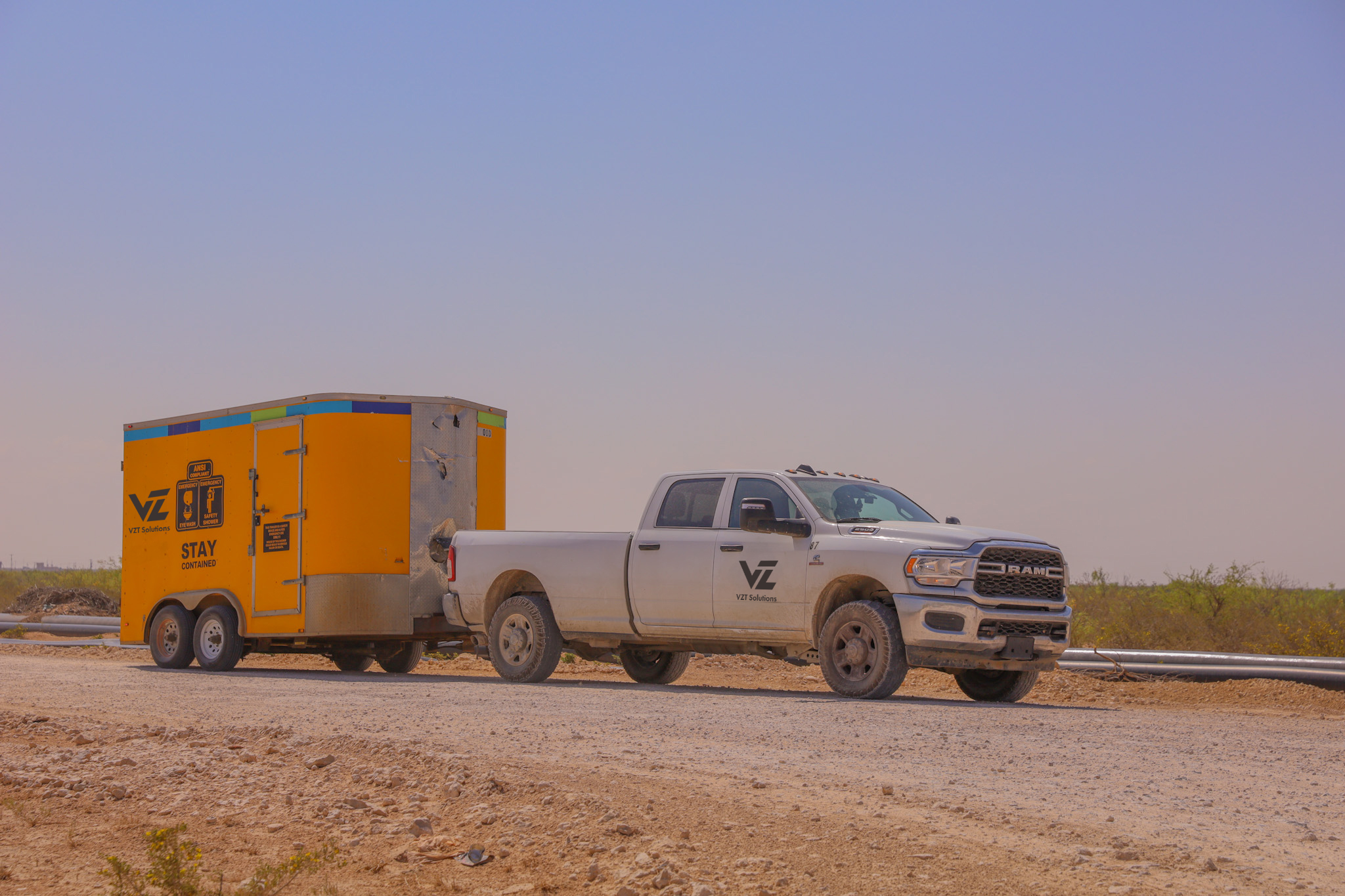
- Equipment Rentals That Back You Up: Need emergency eyewash stations, wash trailers, or hydro vacs on-site? We’ve got those too—because spill prevention includes being prepared for the unexpected.
Spill Prevention = Smart Operations
Here’s the bottom line: Spill prevention only about protecting the environment (though that’s huge)—it’s also how you protect your people, your equipment, and your reputation. When you put the right systems in place, you’ll spend less time cleaning up, and more time getting the job done right.
Share
Recent Posts
January 7, 2026
Best Practices for Spill Prevention in Oil & Gas Operations
If you’ve spent any time in the field—on a frac site, drilling pad, or at a refinery—you know that spill prevention isn’t just...
December 8, 2025
The Future of Spill Containment: Innovation and Trends Shaping the Industry
Spill containment may not be flashy, but it’s mission-critical across many industries—especially as regulations tighten, risks increase, and the demand for sustainability grows....
November 19, 2025
How Secondary Containment Helps Save on Cleanup Costs
Spoiler alert: it’s not just about staying compliant—it’s about saving serious money. If you’ve ever dealt with a spill on a job site,...