Blog
Estimated reading time: 6 minutes
Table of contents
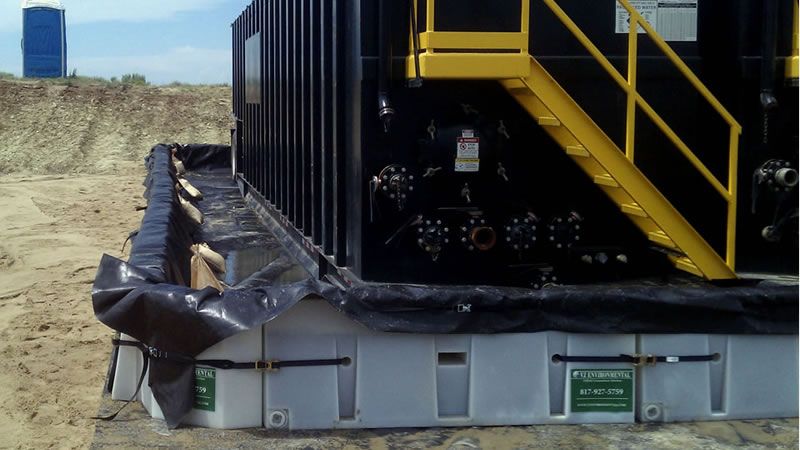
Spill containment may not be flashy, but it’s mission-critical across many industries—especially as regulations tighten, risks increase, and the demand for sustainability grows. The future isn’t just about preventing spills; it’s about doing it smarter, faster, and more responsibly. The future of spill containment involves innovation and trends that are shaping the industry as we adapt to new challenges and opportunities.
Let’s take a closer look at three key trends transforming spill containment—and what they mean for operations across oil & gas, construction, aviation, municipal utilities, and beyond.
Smarter, Simpler Spill Containment Systems
Spill containment has evolved—and the smartest solutions today are built for real-world demands, not just compliance checkboxes. What’s driving this shift? Practical innovation. Let’s break it down:
- Reusable Designs That Reduce Waste and Cost
Traditional containment often meant single-use barriers or bulky infrastructure that was costly to remove and even more expensive to replace. Today’s top-tier systems are built to last and built to be reused. Reusability doesn’t just lower material costs—it supports sustainability goals and minimizes site cleanup. Products like PortaShield™ offer operators a rugged solution that can be redeployed across projects without compromising safety or integrity. - Lightweight Materials That Don’t Sacrifice Durability
It used to be that heavy-duty meant… well, heavy. But newer materials—like reinforced polyethylene and composite fabrics—are changing that. They’re tough enough to handle harsh environments and corrosive fluids, yet light enough for crews to move and position without cranes or forklifts. That means faster deployment, fewer delays, and less need for specialized equipment. - Modular Systems That Scale With You
Job sites vary—sometimes drastically—and containment should never be one-size-fits-all. Modular setups let teams configure systems based on space, volume, or terrain. Need a compact spill berm for a small equipment pad? Covered. Expanding to a full frac pond on short notice? Also covered. VPondz exemplifies this scalability, offering wall heights and configurations to suit different containment volumes—while still being easy to assemble and tear down.
Innovations like PortaShield™ and VPondz are leading the charge—offering flexible containment that’s quick to deploy, easy to move, and designed to fit even the tightest job sites. These aren’t just products—they’re solutions made with boots-on-the-ground crews in mind.
Cross-Industry Adaptability
Secondary containment has long been standard practice in oil and gas—but that’s changing fast. Industries beyond energy are facing the same regulatory pressures and environmental risks, and they’re turning to smarter containment solutions to keep up. Here’s how containment is showing up in new places:
- Aviation
Airports and aviation operations deal with more than just takeoffs and landings. Fueling zones, deicing pads, and maintenance areas all pose spill risks—from jet fuel to glycol. Secondary containment systems like PortaShield™ offer a reliable way to manage those risks without interfering with tight schedules or limited space on the tarmac. - Renewables
The growth of battery storage and clean energy infrastructure brings new challenges—like chemical storage and thermal management. Containment helps prevent leaks from impacting surrounding environments, especially in remote solar or wind farm installations. It’s a practical step toward maintaining ESG goals while protecting high-value equipment. - Construction
From hydrovac slurry and wastewater to diesel storage and staging areas, construction crews are surrounded by potential spill hazards. Portable, quick-deploy spill containment systems keep job sites compliant with environmental regulations and help avoid fines or project delays. - Municipal Services
Cities and towns rely on sewer cleaning, stormwater infrastructure, and water treatment activities that often involve harsh chemicals or waste runoff. Secondary containment provides a safety net for mobile operations—especially when equipment is staged near public spaces, roadways, or waterways. - Agriculture
Whether it’s pesticide mixing, fertilizer storage, or water recycling, modern farms handle materials that can be harmful if spilled. Spill containment solutions offer a low-impact way to manage risk, especially for operations near wells, waterways, or residential areas. - Military Installations
Military bases—whether Army motor pools, Air Force flight lines, or National Guard maintenance facilities—handle significant volumes of fuels, lubricants, and hazardous materials daily. Strict EPA standards apply, and containment is essential for preventing spills on paved hardstands, hangar areas, refueling zones, and equipment staging sites. Secondary containment solutions provide mission‑critical protection while supporting readiness, compliance, and environmental stewardship on federal property.
Spill containment has become a universal safeguard. Whether you’re fueling a plane, cleaning a city street, or maintaining a solar farm, having a reliable, adaptable containment system in place is no longer optional. It’s essential.
Proactive Safety and Compliance
There’s been a big shift in how companies think about spill containment. It’s no longer something you scramble to deal with after an incident—it’s something you put in place to make sure the incident never happens in the first place.
More operators are building prevention into their day‑to‑day operations by investing in:
- Integrated monitoring tools
Sensors, digital gauges, and automated alerts are becoming increasingly common across containment systems. These tools help teams catch issues early—like rising fluid levels, liner breaches, or equipment failures—before they turn into a spill. It’s smarter, safer, and keeps crews focused on the job instead of playing catch‑up. - Routine inspection protocols
Regular inspections a frontline defense. Companies are adopting structured, documented inspection cycles to verify that restraints, containment walls, light towers, and liners are all functioning the way they should. The result? Fewer surprises, fewer shutdowns, and fewer chances for small oversights to snowball. - Emergency response plans that actually work
A plan is only as good as its execution. Today’s operators are building response strategies that are simple, fast, and realistic. They’re training crews on spill scenarios, staging containment materials ahead of time, and making sure every team member knows exactly what to do when seconds matter. This kind of preparation can be the difference between a quick cleanup and a costly site incident.
And the financial stakes are real. Violations of EPA, SPCC, or state environmental regulations can reach tens of thousands of dollars per incident—not including downtime, remediation, or long-term liability. That’s why reliable, easy-to-deploy spill containment solutions aren’t just “good practice.” They’re smart business.
Proactive beats reactive every time.
What This Means for You
Whether you’re managing a large-scale frac site or overseeing a municipal project, these trends point to a future where spill containment is:
- Easier to deploy
- Safer for crews
- Smarter to monitor
- More aligned with environmental goals
At VZT Solutions, we’re committed to staying ahead of the curve—bringing you secondary containment that’s not just built for today, but ready for tomorrow.
Ready to rethink how you handle containment? Reach out to learn how our solutions like PortaShield™ and VPondz are helping companies operate smarter and safer.
Share
Recent Posts
January 7, 2026
Best Practices for Spill Prevention in Oil & Gas Operations
If you’ve spent any time in the field—on a frac site, drilling pad, or at a refinery—you know that spill prevention isn’t just...
December 8, 2025
The Future of Spill Containment: Innovation and Trends Shaping the Industry
Spill containment may not be flashy, but it’s mission-critical across many industries—especially as regulations tighten, risks increase, and the demand for sustainability grows....
November 19, 2025
How Secondary Containment Helps Save on Cleanup Costs
Spoiler alert: it’s not just about staying compliant—it’s about saving serious money. If you’ve ever dealt with a spill on a job site,...